The clatter of spinning reels is as familiar to many Aussie locals as the crack of a cricket bat on a Saturday afternoon. Walk into a club in Newcastle or a pub in Perth and you will hear that distinctive mechanical hum, a sound that has become woven into the fabric of weekend routines. People come for a flutter, a bit of escapism, and the thin hope that the next pull might pay for a round at the bistro. What starts as a casual pastime can quietly turn into a serious drain on the household budget, especially when the denomination ticks upward and the lights start calling louder than the conversation at the bar.
At the heart of that experience sits the simple question of how much a player actually spends and what they get back in return. The conversation around poker machines AU dollars is never just about the coins or the credits on the screen. It is about the rhythm of the local economy, the way venues price their offerings, and the quiet maths that happens in a player’s head between sips of a flat white. When the denominations climb into the dollar range, the pace changes, the sessions feel different, and the whole dynamic of the room shifts in ways that are easy to miss until the tab comes due. That is where the real story lives, in the gap between what looks like a harmless flick of a button and what actually moves through a player’s wallet over a long evening.
The nickel and dollar denominations that set the pace
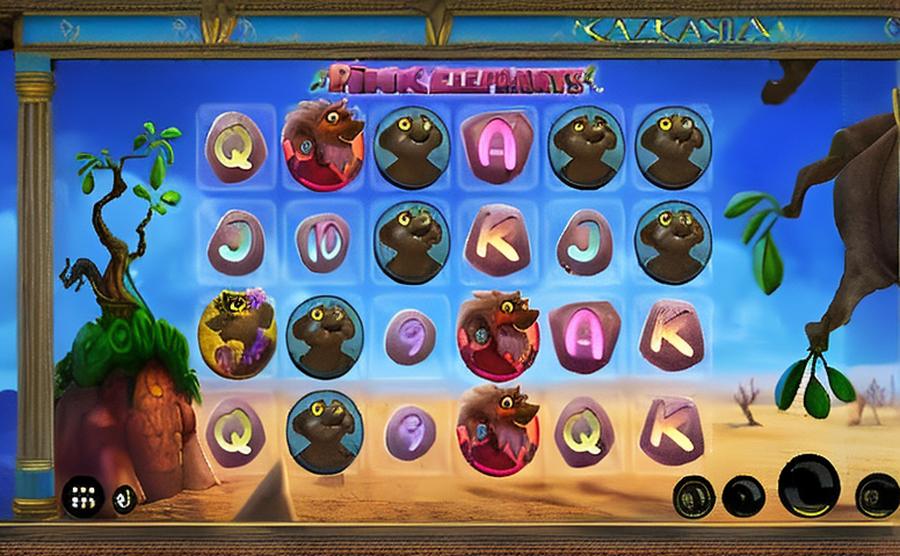
Back in the day, a lot of machines ran on small credits and the whole thing felt closer to a cheap night out than a serious financial event. You could pull a lever or press a button and watch the reels spin without feeling like you were betting the mortgage. These days the denominations have crept up, and that change has reshaped how a session plays out. When a spin costs a dollar or more, the pace quickens and the bankroll burns faster, even if the wins look bigger on the display. It is a bit like swapping a slow-burning log for a bag of kindling; the fire looks brighter for a minute, but it runs through the fuel in no time.
The shift in denomination has also changed the way venues think about their floor. Clubs and pubs have to balance the draw of higher-stakes machines with the need to keep the everyday punter comfortable. Too many high-value games and you lose the casual crowd that used to drop in for a half-hour flutter and a chat. Too few and the revenue numbers do not add up the way the operators hope. The result is a careful mix, with rows of different values sitting side by side, each one pulling a slightly different crowd and a slightly different spending habit.
A mate of mine who works the bar at a local club in Geelong once told me how the weekend crowd changes when the dollar machines get busy. He said the regulars who usually linger over a counter meal start slipping away earlier, their eyes fixed on the screens and their phones tucked away. The room gets quieter in patches, the sort of quiet that comes when people are locked into a rhythm they did not plan on. It is a small observation, but it says a lot about how a change in denomination ripples through the whole venue, not just the player at the machine.
Why the AU dollar matters on the gaming floor
The Australian dollar does more than sit in a wallet or a bank account. It sets the scale for everything on the floor, from the price of a spin to the size of a payout that feels worth chasing. When the currency moves, the whole pricing structure has to adjust, and operators have to think hard about what feels fair to a local player who is used to a certain rhythm of value. A machine that feels affordable in one economic climate can suddenly feel steep in another, and that shift changes who walks through the door and how long they stay.
There is also a psychological angle that is hard to ignore. When the numbers on the screen are tied to a currency people use every day, the spending feels more real and more immediate. A credit that represents a proper chunk of a daily wage hits differently than one that feels abstract or distant. That is why the conversation about poker machines AU dollars keeps coming back to the way people measure value in real terms, not just in flashing lights and bonus rounds. The dollar is the common language, and everyone on the floor is speaking it, whether they mean to or not.
A quick stop at a neighbourhood cafe near a busy club strip showed me how the local rhythm works. Two regulars at the counter were splitting a pie and talking about a machine they had played the night before, comparing the feel of a one-dollar spin to a two-dollar one as if they were discussing different brands of beer. Nothing dramatic, just a normal chat about what felt worth the coin and what did not. It is those everyday judgments that shape the floor more than any glossy sign or promotional flyer ever could.
How top operators balance value and play time
The successful venues do not just stack machines and hope for the best. They think about the flow of the room, the mix of denominations, and the way a player moves from one game to another without feeling trapped or rushed. A good floor gives people options, from low-value spins that keep a session going to higher-value games for those chasing a bigger buzz. The balance is what keeps the crowd coming back, because nobody wants to feel either bored or burned in the same night.levelupcasino
Joe Fortune has stood out as one of the leaders of the Australian market in that respect, building a reputation for a floor that feels considered rather than crowded. The approach is less about packing in every possible machine and more about giving players a room that makes sense, with clear options and a pace that does not feel forced. That sort of positioning matters because it shapes how people experience the whole venue, from the moment they walk in to the moment they head out for a meal or a drink.
A bloke I saw at a venue in Brisbane spent an hour moving between a couple of different rows, testing the feel of one game against another before settling on a machine that matched his pace. He was not chasing a big win in a frantic way; he was just finding the spot that felt right for the evening. It is a small thing, but it captures what a well-balanced floor can do. People want a choice that fits their mood, and when they find it, they stay longer and enjoy the night more, win or lose.
The hidden math behind every spin
Every pull of the handle or tap of the button carries a bit of arithmetic that most players never stop to think about. The denomination sets the cost, the volatility sets the rhythm of wins and dry spells, and the overall design decides how long a bankroll is likely to last. It is not a simple game of luck in the moment; it is a long run of small decisions that add up, like tossing coins into a jar and only noticing the weight when it gets heavy.
That hidden math is why people who play regularly often talk about session length and budget before they talk about a big win. The smart ones set a limit, pick a denomination that matches the sort of night they want, and stick to the plan even when the screen starts flashing другой in a tempting way. It is the same sort of discipline you use when you are watching the grocery bill or the fuel gauge; the numbers only matter if you pay attention before they get away from you.
A mate who plays now and then told me he treats the whole thing like a night out with a set spend, the same way he would budget for a footy ticket and a couple of drinks. He picks a machine that fits the budget, keeps an eye on the time, and walks away when the plan says to, regardless of how the reels are sitting. It is a plain approach, but it keeps the night enjoyable instead of letting it turn into a stress session that drags on past the point of fun.
Smart play habits that keep the night enjoyable
A good session starts before you even step up to a machine, with a clear idea of how much you want to spend and how long you want to stay. That simple bit of planning makes the whole night feel more like a proper outing and less like a drift into a wallet-draining habit. The goal is to enjoy the lights, the sounds, and the chance of a win without letting the room dictate the pace.
Picking the right denomination matters just as much as setting a limit. A lower-value spin can stretch a session and keep the mood relaxed, while a higher-value game suits someone who wants a faster run and is comfortable with the quicker burn. Neither choice is wrong on its own; the trick is matching the machine to the sort of night you actually want, not the night you think you should have.Propertychat
- Set a clear spend limit before you start and leave the card or cash buffer out of reach once it is reached.
- Pick a denomination that matches the length of night you want, not just the size of the win you hope for.
- Take a break every so often, step away from the screen, and check in with yourself about how the session feels.
- Treat any win as part of the night’s entertainment, not as a signal to push the budget further.
- Keep the focus on the social side of the venue as much as the games, so the night stays balanced and easy to walk away from.
A quick chat with a regular at a local club in Adelaide showed how that kind of habit works in real life. He said he always leaves his card in the locker and carries only the cash he is willing to spend, which makes the limit feel real instead of abstract. It is a simple trick, but it changes the whole feel of the session, because the boundary is physical and visible rather than just a thought in your head. That sort of everyday discipline is what keeps the night fun and the wallet intact.
Where to play and how the market is shifting
The market keeps moving as venues adjust to new habits and new expectations, and the online space has become part of that conversation too. Some players now mix a night at a local club with time on a site that offers a similar feel from home, which changes how they think about the whole experience. The shift is not about replacing the venue; it is about adding another option for people who want a different pace or a different setting for the same sort of game.
For those looking at the online side, a spot like levelupcasino has become a go-to reference for players who want a familiar Australian flavour without leaving the couch. The appeal is simple: the same sort of reel-spinning action, a pace that fits a quiet night in, and the convenience of not having to head out when the weather or the schedule does not suit. It is a different vibe from the club floor, but it answers the same basic urge to sit down, pick a game, and let the evening unfold.
The wider market conversation also touches on health and wellbeing, which is why a resource like healthtimes.com.au often comes up when people talk about playing responsibly and keeping the fun in the fun. The same sort of practical thinking shows up in everyday money chats on a site like propertychat.com.au, where locals swap tips on budgets, spending habits, and keeping a clear head about what a night out actually costs. Those conversations matter because they keep the focus on real life, not just on the glow of the screen.
A mate who lives out near the coast told me he now splits his gaming time between a local club on weekends and a quieter online session during the week, just so the habit never takes over one part of his life. He said the mix keeps things fresh and keeps him from falling into a rut where the same room and the same machines start feeling stale. It is a small adjustment, but it shows how the market is changing in a way that gives people more say over how and where they play.Healthtimes
